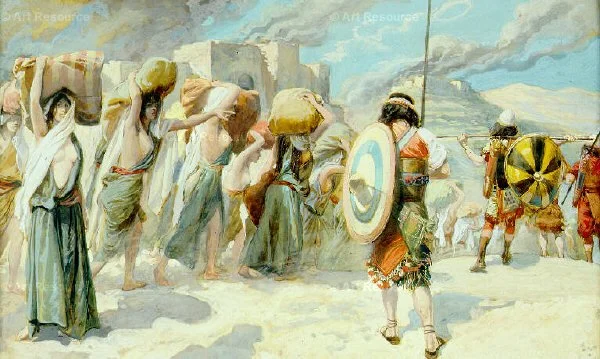
Christian Contentions Part 3: Women Captured in War
Few Biblical passages create more moral discomfort for modern readers than the Old Testament laws and narratives concerning women captured during warfare. Why is this? Many readers today approach the text through the lens of a 21st-century moral framework shaped by contemporary assumptions about individual autonomy, consent, and warfare. Put yourself in the shoes of someone reading these same Scriptures only a century or two after they were written. They would have compared the laws with the warfare they actually knew—brutal, total, and often without restraint. Just as we struggle to grasp the everyday harshness of ancient life when we live with modern legal protections and relative safety, they would have noticed both the severity and the unexpected limits these commands placed on victorious soldiers.

The Transcendental Argument for God
The Transcendental Argument for God is a philosophical argument that states God must exist because He is the necessary foundation for logic, truth, and morality. We affirm that these things exist; therefore God must exist. TAG approaches a deeper question than simply “What evidence is there for God?” It asks instead, “What must already be true for evidence, reasoning, science, morality, and argument itself to be possible?”
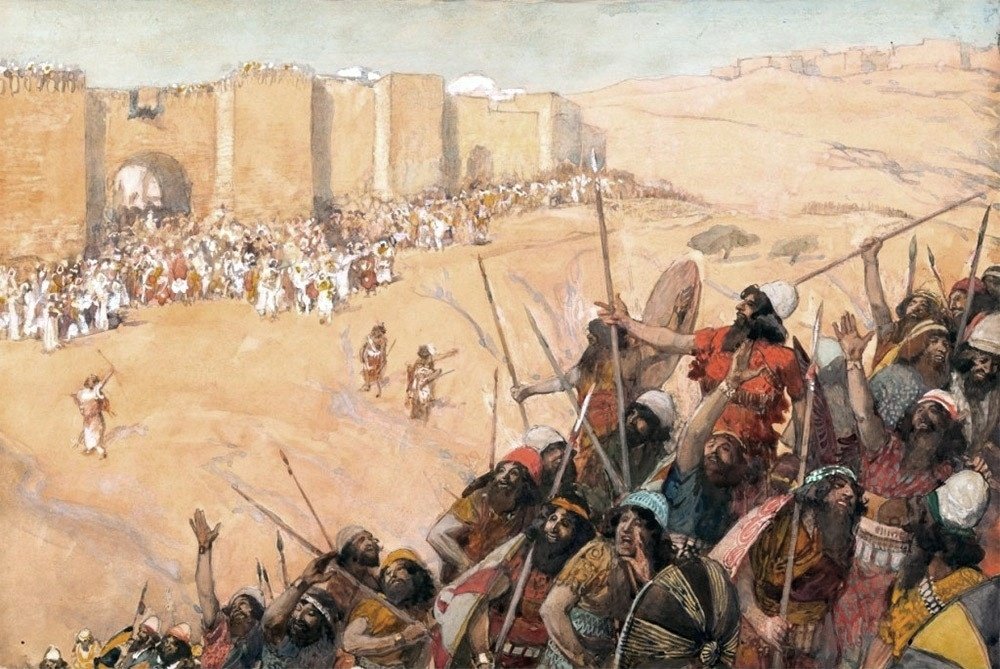
Christian Contentions part 2: War and Genocide
How can a good God command the destruction of entire populations?
That is the difficult question we are placing under the microscope in this post. The next major contention in our series concerns war and alleged genocide in the Bible.
These texts are among the most challenging in Scripture for many readers, believers and skeptics alike. In what follows, we will look carefully at the historical setting, the language used, the theological framework, and the distinctions that matter if we are to understand what these commands actually involve—and what they do not.
Christian contentions part 1: biblical slavery
With all of these biblical contentions, Christians can become overwhelmed. When you encounter a post that strings together snippets of Old Testament Scripture under a title such as “All the Times the Biblical God Says Women Should Be Stoned,” it is easy to feel buried. This also gives any unbeliever an immediate height advantage. Do you know how challenging it is to work through every one of those out-of-context verses—examining them through the lens of Hebrew and Greek vocabulary, the cultural trends of biblical time periods, and the broader biblical context—and still produce a timely response? Only to be met with, “Wow, you’re only going to refute that one?” This category of posts for PAC and the Dawn’s Early Light Podcast will take those commonly questioned passages and place them under a large microscope, one topic at a time. If you have your own concerns, if you think I did not dig deeply enough, or if you believe I missed a critical detail, please comment. I wholeheartedly welcome opposition and discourse. That is how we get better.

Linguistic precision as intellectual humility
All-encompassing language is something I reference quite often, whether in debate settings, in previous and future blog posts, or in day-to-day life. All-encompassing language does not have a single seed from which it grew, but think back a few centuries. Those people, that color, that gender, that religion—all of these phrases do three things: they generalize, dehumanize, and criminalize.

Personhood Begins at Conception: A Consistent Case Against Abortion
Abortion remains one of the most contentious issues in the United States. Frankly, I see that contention as a net positive. When a society has progressed to the point that it no longer debates scarcity of food or basic survival, and instead argues over whether a human being inside the womb should be treated differently from a human being outside of it, we occupy a revealing moment in our cultural history.

Shock Gloves in Schools: A Measured Perspective
Shock gloves have emerged as a subject of considerable debate as of August 2026. Critics ask, as law professor Michael Mannheimer of Northern Kentucky University put it: “Will they use it more than they should? Will they jump over lesser forces that could be appropriate and successful to attain compliance and instead use the first?”

Marriage & Divorce: What Does Jesus Say?
Something I have seen quite a bit of contention on is the concept of divorce in a Christian relationship. Is divorce permitted? Well, what does the Bible say, in all of its context? Matthew 5:32 feels like quite the layup to me: “But I say to you that everyone who divorces his wife, except on the grounds of sexual immorality, makes her commit adultery, and whoever marries a divorced woman commits adultery.” There is quite a bit to unpack in this one verse alone, but context is always important in the Bible.